
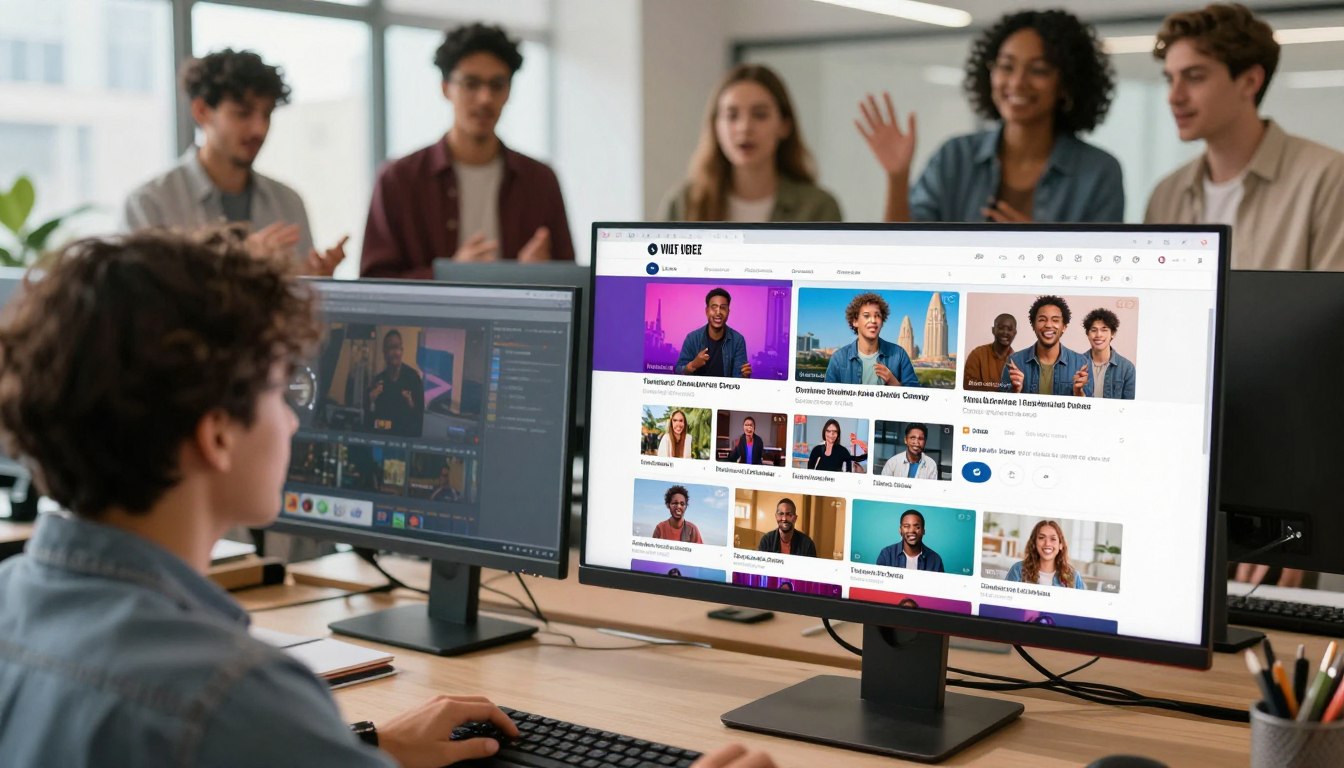
Viral Video Website Watch the Latest Trending Videos
“The best way to predict the future is to create it.” — Peter Drucker
This buyer’s guide helps you watch trending clips, find creative inspiration, track performance signals, and license brand-safe footage fast.
In 2026, “viral” means rapid spread driven by high engagement and sharing loops across feeds. Expect fresh, highly interactive content that surfaces via algorithms and community sharing.
Use this guide to follow three main paths: watch trending pages on major platforms, study what drives shares and engagement, and secure licensed clips for commercial use. We cover who benefits most: casual watchers, creators, marketers, and U.S. business teams who need safe, approved material.
Evaluation focuses on five simple criteria: freshness of trending videos, category breadth, shareability, creator tools, and clear rights and permissions. We also explain the key difference between watching clips for fun and using them in ads or on owned channels — rights and approvals matter.

Key Takeaways
- You can watch trending videos, learn what works, and license clips.
- “Viral” now means fast spread driven by engagement loops.
- Follow trending pages, analyze metrics, or buy rights for ads.
- Guide fits casual viewers, creators, marketers, and business teams in the U.S.
- We use freshness, breadth, shareability, tools, and rights as evaluation criteria.
What a Viral Video Website Is and Why It Matters in 2026
A practical discovery layer shows trending clips fast and makes sharing frictionless.
Definition: A viral video website is a discovery hub that surfaces trending videos quickly and helps users share or republish content with minimal steps. These hubs use ranking signals to push high-engagement clips into feeds and trending lists.
How going viral happens today
Going viral now hinges on engagement velocity: watch time, shares, and comments that spike rapidly. Remix culture and duet/edit features amplify reach across platforms and social media feeds.
Common formats that perform
- Short clips and stories with a fast hook.
- Meme edits and challenges designed for easy participation.
- Emotion-driven stories and creative edits that invite rewatching.
What to expect from modern sites
Expect algorithmic ranking, “Most Shared” modules, and category feeds tuned to region and audience taste in the U.S. Trending pages and cross-post tools speed discovery and distribution.
“Hook fast, deliver a clear payoff, and make it repeatable.”
Quick checklist: hook in first seconds, clear payoff, and high rewatchability. Viewers want entertainment; creators seek repeatable patterns; business teams need brand-safe licensing options.
Best Platforms to Watch Trending Videos Right Now
Top discovery hubs make it easy to watch what’s trending right now across categories and regions.
Where to look: start with YouTube’s Trending page to see real-time picks by category and the U.S. region. Trending reflects momentum and viewer interest, so use it to spot formats that gain traction fast.
YouTube Trending
Use filters to view by category and U.S. region. Save playlists of rising clips to compare how quickly interest grows over time.
BuzzFeed
BuzzFeed excels at highly shareable entertainment content and short formats that spread across social media. Scan listicles and embeds to spot repeatable ideas.
Bored Panda
Bored Panda highlights creative, visually driven clips and heartwarming stories that perform well with broad audiences. It’s useful for inspiration and format study.
Other picks
- Distractify, UpWorthy, and LittleThings — packaged pop culture and uplifting stories that travel easily.
- Daily Dot — context and attribution on clips that cross platforms; good for background and explanation.
Practical tips: save playlists, compare the same trend across platforms, and track how formats shift over short time spans.
Viral Video Website Picks for Finding Ideas and Tracking What’s Working
Creators and marketers need quick research tools to turn attention signals into repeatable ideas.
Social Blade helps you spot audience patterns and channel growth spikes. Use it to compare creators, check publishing cadence, and estimate momentum over time. This process makes it easy to see which creators ride trends and which ones build steady growth.
VidIQ surfaces high‑value keywords and trending topics. It uncovers formats and optimization opportunities that raise discoverability. Run topic research, validate title ideas, and test thumbnail concepts before you spend production time.
How to use these tools fast
- Build a shortlist of topics from VidIQ keywords and trending search terms.
- Benchmark similar creators in Social Blade to estimate momentum.
- Map titles and thumbnails to outcomes: which combos drove spikes.
- Prioritize formats that repeat success on your target platform.
Decision options: use these tools for inspiration, competitive research, or to validate a content calendar before production. Better research saves time and helps creators make content designed to earn attention.
Options for Licensing and Buying Viral Videos (Brand-Safe)
For businesses, acquiring cleared user clips is a risk‑managed alternative to reposting.
Why this is the buyer’s section: using a trending clip in marketing is different from watching it on social feeds. Brands need rights, clearances, and proof of chain‑of‑title before airing or running ads.

Why UGC licensing is complex for business teams
Licensing user content often requires several steps: locate the clip, secure permission from the creator, obtain brand sign‑off, and run internal and external legal reviews.
This layered process slows campaigns and raises risk unless a company uses a trusted partner that handles clearances.
What “pay and download” platforms provide
- Permissions packaged: rights from the creator are pre‑negotiated.
- Faster delivery: licensed files ready for download and use.
- Documentation: release forms and usage terms for legal teams.
Top sources and specialties
Start with these libraries and match style to goals:
- Jukin Media — fails, humor, wins, and newsworthy clips (A-).
- Storyful — newsworthy, animals, and curated stories (A).
- GoPro Licensing — action, sports, and travel (A).
- ViralHog, Video Elephant, Newsflare, UNILAD, Barcroft — niche strengths from dashcam to politics (grades vary).
How to choose and reduce risk
Match the library to campaign tone and placement: pick news-focused platforms for journalism needs and entertainment catalogs for humor or fails.
Quick fit heuristic: need verification? Choose news libraries. Need laughs or stunts? Pick entertainment catalogs.
“Brand‑safe sourcing reduces surprises when content moves fast and stakes are high.”
Quick Compare: Top Licensing Platforms and When to Use Each
Not all licensing services move at the same pace—select one that fits your turnaround and tone.
Broad catalogs first: Jukin Media (A-) and Storyful (A) cover wide‑ranging clips and content types, making them a fast shortlist for agencies and companies that need variety. ViralHog (A-) is similar but leans toward cute animals, fails, and dashcam clips.
Action and travel
GoPro Licensing (A) is ideal when you need high-energy sports and travel footage that matches active brand creative.
News and business-friendly sources
Newsflare (B-) and Video Elephant (B+) fit politics, current events, and business contexts where verification matters.
Niche networks
VVUK, Brave Bison, UNILAD, DEFY, and Barcroft fill style or regional gaps. Use them when you need a specific audience taste or unusual content tone.
“Pick the platform that matches category strength and delivery speed.”
Internal approval checklist: confirm usage rights, term and territories, paid media permissions, required export deliverables, brand sign-off, and legal review.
Bottom line: the right partner reduces delays and keeps campaigns moving from brief to broadcast with fewer surprises.
How to Download Viral Videos the Right Way (Without Risky Shortcuts)
Before you save a clip, decide if it’s for personal viewing or commercial reuse — the rules differ.
Quick overview: a safe download routine saves time and lowers legal exposure. Identify the clip, copy the URL, pick a reputable downloader tool (example: Video DownloadHelper), choose quality and format options, then save the file and log the source.

Safer, step-by-step process
- Identify the clip and copy its URL.
- Choose a reputable downloader tool and check reviews.
- Select format and export quality that match your edit needs.
- Download, name files consistently, and store the source URL with the file.
When downloading isn’t enough
Downloading for offline viewing is different from reuse in marketing. If the clip appears in ads, on brand channels, or on social media monetized posts, you still need permissions and rights.
Evaluate risk: copyrighted music, identifiable people, trademarks, and platform terms can create exposure even when a download succeeds. For business use, prefer licensed sources and keep signed releases and documentation.
Tools That Help You Create Viral-Ready Short Clips Faster
Execution matters: fast, repeatable editing turns trends into consistent output.
SendShort converts long recordings into multiple short clips with AI auto-editing. It auto-generates hooks and thumbnails, adds captions in one click, and supports 48 languages for creation and translation. Plans start near $15/month for starters and scale for teams.
Auto captions and subtitles boost retention and reach. One-click captions, plus translations, expand your audience beyond the U.S. and improve discovery on social platforms.
Packaging that lifts performance
Hooks, bait-style thumbnails, music selection, and effects must match TikTok, Reels, and Shorts norms. Pick upbeat tracks, short text overlays, and tight cuts to keep attention.
Scheduling and multi-platform publishing save time. Use platform integrations to queue posts to 10+ places and avoid repetitive manual uploads.
CapCut Desktop: an editor option
CapCut Desktop offers templates, transitions, auto captions, color tools, and a library of royalty-free music. It handles advanced editing tasks like loudness normalization and export controls for different formats.
| Tool | Core features | Best for | Why it saves time |
|---|---|---|---|
| SendShort | AI auto-editing, 1-click captions, translations, thumbnails | Creators, small teams | Batch short clips from long footage; fast publish |
| CapCut Desktop | Templates, effects, auto captions, music library | Editors needing desktop features | Streamlined advanced editing and exports |
| Scheduling Platforms | Multi-platform publishing, queueing, analytics | Agencies and solo creators | Reduces manual posting across social media |
Simple repeatable workflow
- Import long footage and mark highlights.
- Auto-edit or trim into short clips; add text and captions.
- Add music and effects that match platform norms.
- Export with platform presets and schedule publishing.
Bottom line: pick tools with strong captions, templates, and scheduling to cut editing time and raise your chance of creating content that performs in fast feeds.
Conclusion
A compact process—discover, analyze, create—keeps your team ahead of fast-changing trends.
Start with discovery: watch trending videos on major websites, use one research tool to map patterns, and choose licensing partners when you plan commercial use.
For U.S. teams, the best viral video source depends on whether you are watching for ideas, producing content, or buying rights. Permissions matter: downloads are easy, but licenses keep use brand-safe.
Practical next step: pick 2–3 discovery sites, one analytics tool, and one or two licensing partners to streamline approval and delivery. Use captions and subtitles in edits to boost retention and make cross-platform publishing faster.
Final reminder: trends shift fast. A repeatable workflow matters more than chasing a single hit.
FAQ
What is a viral video website and why does it matter in 2026?
A viral video website aggregates trending short clips, stories, and edits from social platforms and news feeds. In 2026, these sites matter because they surface what audiences share and watch in real time, help creators track momentum, and guide brands and agencies on content that drives engagement and conversions.
How does “going viral” happen on today’s platforms and media feeds?
Content goes viral when algorithms amplify clips with high early engagement, strong hooks, and rapid shares across networks. Factors include watch time, comments, auto captions, thumbnails, music choices, and cross‑platform reposting that push items onto trending pages and recommendation streams.
What common content formats perform best for fast reach?
Short clips, stories, memes, challenges, and creative edits dominate. Formats with clear hooks, captions, and a strong thumbnail work best for feeds like Reels, Shorts, and TikTok where viewers decide very quickly whether to keep watching.
Which platforms should I monitor to find trending clips right now?
Prioritize YouTube Trending for categorized, region‑specific trends; TikTok and Instagram for rapid social reach; and publisher sites like BuzzFeed, Bored Panda, and Daily Dot for context and shareable storytelling that often spreads to mainstream channels.
How can creators and brands track what’s working?
Use analytics and tools such as Social Blade for channel growth signals and VidIQ for keyword research and optimization. Monitor engagement patterns, audience retention, and share rates to refine topics, hooks, and posting times.
What should businesses know about licensing user‑generated clips?
Licensing UGC requires clear permission, rights for the intended use, and brand safety checks. Licensors typically offer pay‑and‑download packages with defined usage terms, timestamps, and export formats suited for campaigns and broadcast.
Where can companies buy brand‑safe footage for campaigns?
Look to established marketplaces that specialize in UGC and editorial clips. Options include services that focus on newsworthy footage, action and sports, animals, or feel‑good stories. Choose platforms that provide legal documentation and clear usage tiers.
How do I choose the right licensing platform for my project?
Match the platform’s specialty to your need: news outlets for timely stories, sports libraries for action clips, and curated catalogs for lifestyle and humor. Verify rights, approval workflows, and available export deliverables before purchasing.
What’s a safe process for downloading clips without risking copyright issues?
Identify the clip, confirm ownership, and use an authorized downloader or a licensing portal. If you need the clip for commercial use, obtain written permission or buy a license rather than relying on third‑party scrapers or unverified tools.
What editing tools speed up creating short, shareable clips?
Use editors with presets, auto captions, and AI trimming to turn long footage into multiple shorts. Tools like CapCut Desktop and SendShort streamline import, edit, add text/subtitles, apply effects and music, then export in formats tailored to TikTok, Reels, and Shorts.
How important are captions, subtitles, and translations?
Extremely important. Auto captions and translations boost watch time and reach across diverse audiences. They improve accessibility and performance on platforms where many viewers watch without sound.
What elements make hooks and thumbnails effective for feed algorithms?
Strong thumbnails, clear on‑screen text, a one‑second hook, and punchy captions drive clicks and retention. Combine a compelling visual with a short, curiosity‑driven headline and relevant music or sound for maximum impact.
How can teams scale publishing across multiple platforms efficiently?
Adopt a workflow: import footage, create platform‑specific edits, add captions and music, schedule posts, and monitor analytics. Use scheduling tools and export templates to save time and keep formats consistent for each network.
What internal checks should brands perform before using third‑party clips?
Run a brand approval, legal rights review, and a usage rights checklist. Confirm licensing scope, territory, duration, and any attribution requirements. Ensure deliverables meet your export and quality standards before publishing.