Usa Viral Video Download Top Sites and Tips
“The best way to predict the future is to create it.” — Peter Drucker.
This guide is a service‑directory for finding USA‑focused clips you can use safely in commercial and editorial projects. It points you to licensed libraries and creator collections that supply ready assets for ads, client work, and monetized channels.

“Viral” often describes a fast, social‑ready style, but provenance and licensing matter more than popularity. Expect clear advice on when to pick reputable stock libraries versus creator libraries, and when to avoid risky social‑to‑file workflows.
This article will cover licensing red flags, common file formats, editing permissions, and site performance for background video. It also promises practical picks for American flag loops, city establishing shots, government visuals, and map sequences, all with an eye on quality and reuse.
Key Takeaways
- Use licensed stock or creator libraries for safe commercial use.
- Popularity doesn’t replace clear provenance and permissions.
- Watch for licensing red flags and editing restrictions.
- Choose formats and performance suitable for background assets.
- Find ready-made clips for flags, cities, government, and maps.
What “viral video download” means in the US right now
C when someone in the United States asks for a “viral video download,” they may mean a trending meme or a polished stock clip — and that distinction matters for reuse.
Types of moving clips you’ll encounter
Stock videos are licensed assets with clear terms. Platforms’ native save or share features let users view material later but rarely transfer commercial rights.
User reposts and reshared uploads often lack clear ownership. Those items can spread across millions of views without permission, which does not create reuse rights.
When a download is lawful — and when it isn’t
Downloading a file is a technical act. Obtaining usage rights is a legal one. The presence of a download button does not equal permission to edit or monetize.
- Watch for risk signals: missing license text, anonymous re-uploads, and no commercial allowance.
- Prefer documented stock when teams need clear, auditable rights and minimal legal risk.
Usa viral video download options: stock libraries vs. social platforms</h2>
Your sourcing choice decides whether a clip is safe for an ad campaign or a legal headache.
Stock libraries provide clear, auditable terms. Licensed clips come with permission for commercial use, stable metadata, and a paper trail you can store with the project. Many collections note that all clips are royalty-free and cleared for commercial use, and each file is reviewed for copyright and licensing standards.
Why licensed libraries are the safer route
For agencies and freelancers, predictable rights matter. A reliable library lets you run ads, publish monetized content, and reuse footage across campaigns without re-clearing each time.
Lifetime commercial licence typically means consistent terms that cover ongoing use of an asset across the life of a campaign or product. That stability reduces legal friction and saves time on approvals.
Where social clips usually fail checks
Social platforms often lack a clear ownership record. A clip can appear popular but still have uncleared music, unknown creators, or platform-only sharing rules.
- No paper trail or written license
- Creator unreachable for permissions
- Music and third-party rights not cleared
- Platform-specific terms that prohibit monetization
Quick sourcing workflow: pick a library, save the license text, log clip IDs/URLs, and store proof of rights with the asset. When “free stock” is used, confirm the explicit license and keep evidence on file to protect your team and clients.
Royalty-free licensing you can trust for commercial use</h2>
Reliable royalty-free libraries remove guesswork from commercial reuse. This section explains what “royalty-free” really means and how to protect your projects when you use licensed clips for ads, social promos, or monetized channels.
Clips reviewed for copyright and licensing standards
Royalty-free means you do not pay per view or per placement. You still must follow the license terms.
Choose a library that curates stock and checks each file for copyright clearances. That review reduces risk for client work and paid campaigns.
No attribution required, but allowed if you want to credit
Many royalty-free collections do not require attribution. Giving credit is optional and can support creators or add transparency.
For commercial use — paid social, client ads, and monetized YouTube — prefer assets with explicit permission statements.
- Practical proof to keep: license page snapshots, download receipts, and the library terms at time of retrieval.
- Commercial realities: documented rights cut review cycles and limit surprises during campaign launches.
- Warning: royalty-free is not no‑restriction — resale or raw redistribution often remains prohibited.
Hybrid libraries with real footage and AI-generated videos</h2>
Hybrid libraries combine human-shot clips and machine-generated material in one catalog. Each asset is labeled so you can tell origin, rights, and reuse rules at a glance.
How clear labeling helps you choose the right asset type
What hybrid libraries are: a single index that offers filmed footage and synthetic clips under a consistent license framework. That uniform licensing makes procurement faster and auditable for teams.
Labels matter for brand safety and disclosure. Knowing whether an item is live or synthetic affects whether you can use it in a documentary, a commercial ad, or a sensitive campaign.
When to prefer real footage: choose filmed clips for a documentary feel, recognizable places, and authentic human moments. Pick AI clips when concepts are hard to shoot, when you need rapid iterations, or when extras and environments would be costly.
Practical tracking: standardize filenames and metadata. Include tags like “Live” or “AI” and append a clear version number so editing teams know which master to use.
Artist-created videos create can refer to cinematographers or AI-assisted workflows. The decisive factor is transparent sourcing and consistent terms that preserve quality and legal clarity.
What to look for in top sites for USA stock videos</h2>
Top stock sites earn trust by showing clear terms, unambiguous edit rights, and practical asset previews.
Site-evaluation rubric: check license clarity, permitted edits, available downloads, file formats, and support response times.
License clarity for ads, clients, and monetized YouTube
Look for explicit commercial permission, a scope statement, and a list of prohibited uses. Confirm whether model and property releases are included or noted.
Save the exact license text and a receipt for the clip you use. That creates an audit trail for client work and monetized channels.
No watermarks and clean, ready-to-use footage
No watermarks is a baseline for professional output. Previews should be clear but not require payment just to see a watermark-free sample.
Editing permissions for trimming, cropping, and remixing
Ensure the license allows trimming, cropping, speed changes, overlays, color grading, and remixing. These permissions keep post workflows fast and compliant.
Download formats and “optimized versions” for web backgrounds
Prefer MP4 and web-optimized encodes to reduce page weight and improve LCP. Look for smaller versions or adaptive encodes labeled for background use.
Quality signals like 4K, loopable clips, and consistent resolution
Check for consistent resolution, stable frame rates, and loop-ready masters. Premium tiers often add 4K masters and extra protections for high-visibility campaigns.
- Quick checklist: license clarity, edit rights, clean previews, formats, and support.
Featured pick for free stock video downloads: Coverr-style libraries</h2>
Coverr-style collections are a fast, reliable first stop when teams need clear, free stock assets with commercial permissions. These sites make it simple to grab clips that can be used in ads, landing pages, and client campaigns.
Commercial use coverage for social promos and client ads
What you can do: use clips inside social promos, paid ads, landing pages, client deliverables, and monetized YouTube publishing.
All files are watermark-free, and licensing usually allows trimming, color changes, and integration into larger projects. That makes these libraries a practical choice for fast-turn production.
What “not allowed” means: reselling or redistributing raw stock footage
The common restriction is simple: you may include a clip inside your project, but you cannot resell or redistribute the raw file as a standalone product.
- Not allowed examples: uploading the original file to another stock site.
- Bundling raw clips into a template pack or offering direct downloads as-is.
- Repackaging clips for resale without added creative value.
Teams often combine free libraries with paid upgrades when they need exclusive footage, 4K masters, or extended protections. Some services offer these extras through one value-packed subscription that simplifies licensing and procurement.
| Feature | Coverr-style (free) | Premium upgrade |
|---|---|---|
| Commercial use | Allowed for promos, ads, landing pages, client work | Extended protections and exclusivity |
| Watermarks | None | None |
| Resale of raw files | Prohibited | Prohibited |
| Quality | HD, web-optimized | 4K, exclusive clips |
Create custom USA footage fast with AI video studios</h2>
AI studios speed up production by turning a short brief into a usable clip in minutes. Teams can iterate on style, length, and framing without booking a shoot.
How prompt-based generation works for scenes like “American at sunset”
Write a clear scene description, pick a visual style, set duration and aspect ratio, then run the prompt. The studio returns a rendered video you can review and refine.
Example prompts:
- “Sunset skyline, warm orange light, 16:9, 10s, cinematic color grade.”
- “Flag-themed abstract background, slow motion fabric texture, 8s, loopable.”
- “Aerial city opener, golden hour, 24fps, 6s, subtle film grain.”
Keeping AI clips aligned with licensing standards
Choose tools that state commercial permissions up front. Save the licence start creating details and generation metadata with every export.
Before publishing, inspect AI clips for logos, recognizable faces, and trademarks. That internal review helps avoid ad rejections or clearance issues.
Store proof—keep the tool’s licence text, the prompt used, and export timestamps. This practice supports assets lifetime commercial use and protects client work.
Account-required libraries and login walls to anticipate</h2>
Account gates exist to protect creators and create an auditable trail. Many stock sites ask you to sign in so they can track license acceptance, limit abuse, and collect analytics tied to a user identity.

What sign-in and resets mean for teams
Typical elements include email + password, reCAPTCHA, “Forgot Your Password?”, and account creation flows. These add a small time cost but reduce spam and automated scraping.
Teams often hit friction with reCAPTCHA challenges, unclear password owners, and slow reset emails. That can block access when a deadline looms.
Practical steps for smooth access
- Use a shared inbox and a password manager to centralize credentials.
- Apply a naming convention that notes who owns an account and which client it serves.
- Create a lightweight SOP to record the chosen asset version, license text, and where files are stored.
For agencies running millions of campaign variants, access control and continuity matter. Confirm if license terms are tied to an account identity and save evidence of acceptance with the stored version of the file.
Most-downloaded USA flag visuals and looping backgrounds</h2>
A well-crafted flag loop can set tone quickly—celebratory, solemn, or brand-forward—without extra edits.
Popular clip types that work as backgrounds
Waving loops—smooth, loop-ready clips such as “American Flag 4K Motion Loop Stock Video” are the top pick for hero headers.
Textured fabric close-ups provide subtle motion and grain for a refined backdrop.
Clean-sky wide shots—like “American Flag against a Blue Sky 4K”—read well behind headlines.
Choosing styles for different moods
For celebrations, pick bright, high-saturation frames and Fourth of July reveals or patriotic rotations. For solemn or newsy edits, use neutral daylight and a gentle drift.
Corporate uses favor steady, controlled motion with a top flagpole focus. Cinematic cuts benefit from dramatic lighting and textured flag cloth.
Looping, framing, and practical tips
- Detect seamless loops by watching the first and last frame for matching wind angle.
- Leave negative space on the left or right for headlines and CTAs.
- Avoid busy highlights and prefer consistent top flagpole compositions for stability.
- Choose 4K motion loops when you need crop flexibility or close-ups like close up of America flag moving in a clear windy day in 4K.
| Clip Type | Best Use | Key Feature | Example Asset |
|---|---|---|---|
| Waving loop | Hero headers, livestreams | Seamless motion | American Flag 4K Motion Loop Stock Video |
| Textured close-up | Backgrounds, trailers | Fabric grain, subtle motion | American Flag Textured Background Loop |
| Clean-sky wide shot | News, corporate pages | Negative space for text | American Flag against a Blue Sky 4K |
| Holiday reveal | Promos, event pages | Rotations and transitions | Fourth of July reveal/rotation loops |
Keyword notes: pick clips labeled for commercial use and check that the flagged assets show clear provenance for any states waving top or united states waving tags. For a strong masthead, a centered top flagpole flag or a close crop of waving top flagpole works well with minimal color grading.
Iconic United States city footage that drives engagement</h2>
Iconic city footage instantly signals place and tone, which boosts viewer attention within seconds.
New York City traffic, skyscrapers, and night life
New York City clips work because they are instantly recognizable. Look for readable movement: clear traffic flow, distinct light trails, and steady framing.
Choose a mix of wide and tight shots to help pacing. The example clip, “Traffic in New York City with American Flags 4K,” pairs dynamic motion with patriotic context and edits smoothly into promos.
Statue of Liberty and skyline backdrops for storytelling
Use statue liberty city backdrops as place markers. They work well for intros, chapter breaks, and “where we are” cuts in documentaries and branded pieces.
Pick clips with clean horizons and negative space for titles or lower-thirds. Neutral light helps match other city footage during edits.
Aerials for intros, transitions, and polish
Top aerial shot clips and stable aerial shot city masters add production value. Favor minimal haze, smooth gimbal motion, and consistent color profiles.
Match aerials to ground coverage, then add licensing-safe audio and captions for social-first distribution to protect reuse and boost accessibility.
| Clip Type | Best Use | Key Feature |
|---|---|---|
| Traffic sequence | Openers, montages | Readable movement, motion trails |
| Skyline + Statue | Intros, location ID | Negative space, clear horizon |
| Top aerial shot | Transitions, brand polish | Stable motion, low haze |
Government and civic visuals for newsy, documentary-style edits</h2>
Civic footage frames authority and remembrance; select imagery that supports your narrative without distracting from it.
When to use government and civic B-roll
Use these clips for: policy explainers, election coverage, nonprofit storytelling, and documentary-style intros.
They work best as grounding shots that state place and tone quickly.
Visual language: capitol surrounded large garden
Look for wide, stable shots of a capitol surrounded large garden that convey calm and institution. Aerial or dolly-openers with measured motion read as authoritative.
Follow with closer columns and flag details to support the establishing frame.
Respectful memorial imagery and ethical notes
Memorials: pair veterans cemetery flags and solemn clips with slower cuts, lower saturation, and simple titles.
“Treat memorial footage as context, not spectacle.”
For human subjects, avoid exploitative use of young soldier looking or looking camera usa clips. Do not repurpose sensitive imagery for unrelated promotions.
| Use case | Best shot order | Editing tone |
|---|---|---|
| Policy explainer | Wide capitol surrounded large → medium columns → detail shots | Measured cuts, neutral grade |
| Memorial segment | Wide cemetery → rows of flags → close flowers | Slow dissolves, low saturation |
| Nonprofit story | Establishing civic grounds → human-scale moments → emblem details | Warm but restrained color, minimal graphics |
Map and location visuals for explainer videos and travel content</h2>
Map visuals anchor a story quickly, giving viewers a clear reference point before the narration begins.

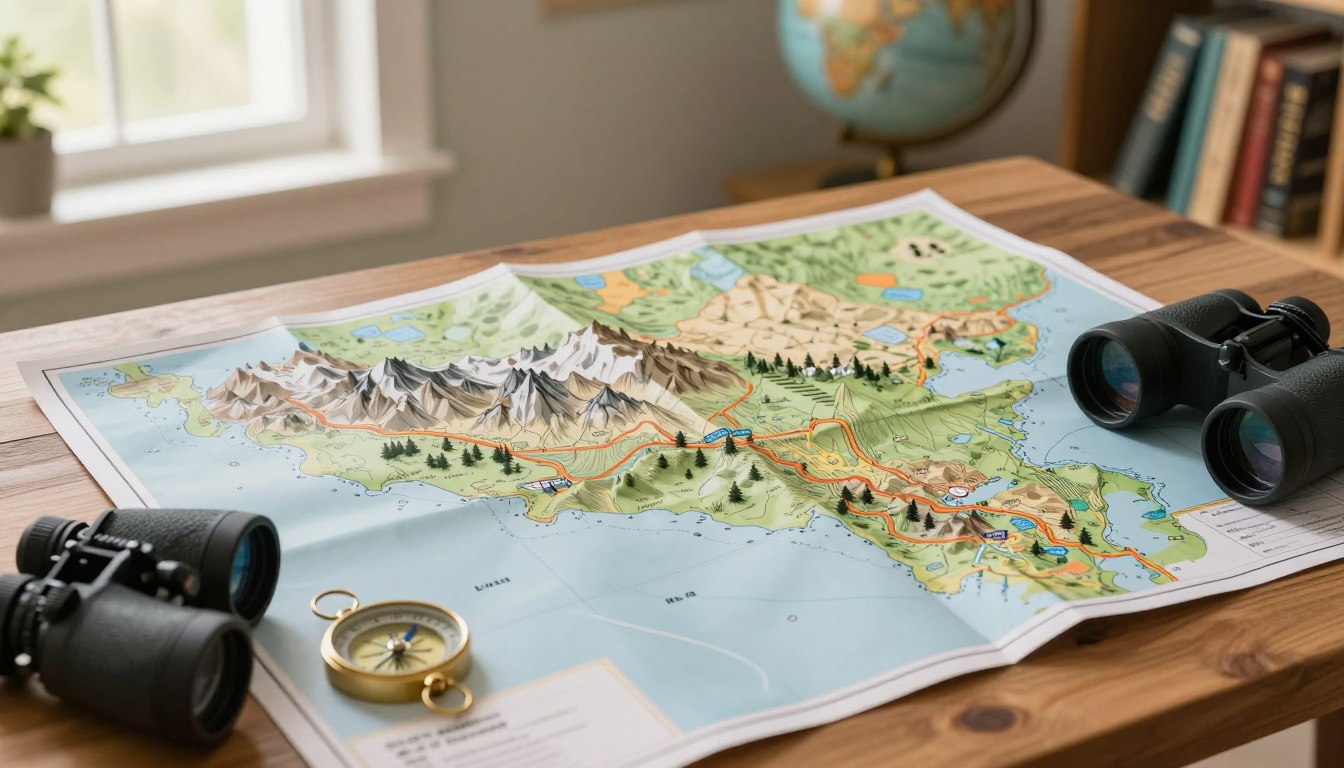
Why they work: maps orient audiences in explainers, travel pieces, logistics updates, and market reports. A single frame can replace paragraphs of verbal description.
Finger place on map searches and clear searching sequences
Use a steady hand and readable labels for any finger place map shot. Keep movement natural so the finger points, not blocks, key names.
For searching finger place moments, combine zoom-ins, short route tracing, and quick cuts to suggest discovery. Avoid long, jittery pans that confuse viewers.
- Edit for pace: use consistent transitions and rhythmic cuts for a fast sequence detailed montage.
- On-screen help: add labels, arrows, and short captions to reinforce location names for mobile viewers.
- Complementary B-roll: layer detailed photos banknote textures or local landmarks when discussing economics or history.
Accessibility tip: enlarge map labels for small screens and include captions or VO so all viewers follow the route and context.
Picking the right quality, length, and version for your project</h2>
Pick clip length based on where the clip will live: a quick hook for an ad, a longer scene for YouTube, or a seamless loop for a header.
Short clips, long backgrounds, and seamless loops
Short clips (3–10s) work best as ad hooks and social openers. They must start strong and cut fast.
Longer sequences (20s+) fit YouTube or documentary sections where pacing and story matter.
Seamless loops are ideal for hero headers and background motion. Pick loops with matching first and last frames.
Choosing the right file version
Original masters are for heavy editing and color grading. Keep masters from trusted stock sources when you need flexibility.
Optimized encodes (web MP4, H.264/HEVC) speed playback and lower bandwidth for final delivery.
| Use | Recommended version | Why it matters |
|---|---|---|
| Heavy editing | Original master | Max color data, higher bitrates |
| Web hero/header | Optimized encode | Faster load, smaller files |
| Mobile ads | Short MP4 encode | Lower size, quick start |
Resolution, aspect, and final checks
Use 1080p for most social and paid placements. Choose 4K when you need crop flexibility or large displays. Remember platform compression can reduce perceived detail.
Keep aspect ratio, frame rate, and color profile consistent across all assets to avoid mismatched clips in an edit.
When cropping for vertical formats, protect faces, landmarks, and flags by framing wider in the master. Test final exports on real mobile and desktop devices before delivery.
Download and file-handling tips to keep assets organized</h2>
A consistent file system keeps teams from scrambling for the right master. Small habits at the start of a project save hours later. Plan folders and names before you import any clips.
Naming conventions and folder structure
Keep names predictable. Use a folder tree that separates sources and deliverables: /Footage/Stock, /Footage/AI, /Exports, /Project Files, /Licenses.
Adopt a scalable filename pattern: location_subject_resolution_fps_source_version. Example: NYC_Traffic_4K_30_Coverall_v02.
Proof of rights and master management
Store license PDFs or screenshots next to the clip. Add a text file with the source URL and download date so audits are fast.
Keep edit-safe masters in a read-only folder. Put compressed social copies in /Exports to avoid accidental overwrites.
Collaboration and speed
Use shared drives, consistent tags, and a simple spreadsheet to track clip IDs, usage rights, and final versions. This reduces re-downloading and prevents wrong clips in client deliverables.
Performance and UX tips for using video backgrounds on websites</h2>
Background clips can make a page feel modern, but they often harm load times if not optimized. Poor handling causes slow first paint, bad LCP scores, and frustrated mobile users.
Using lightweight, web-ready formats to improve LCP
Optimized versions are small, web-ready encodes that keep perceived quality high while cutting file size.
Use H.264 or HEVC MP4s with sensible bitrates. For hero headers, pick a short, loopable MP4 labeled for background use. This approach reduces load time and keeps core web vitals healthy.
When to use a poster image, compression, and shorter loops
Show a poster image for first paint, on low-power devices, and when users prefer reduced motion. A poster avoids blank screens while the file loads.
Compress with care: keep loops short, remove high-bitrate noise, and test across breakpoints to avoid layout shifts. Prefer a single short loop over a long master to save bandwidth.
- Mute media by default and auto-pause on small screens.
- Avoid motion behind body text; ensure contrast for readability and accessibility.
- Test how stock video and other stock assets affect page weight and conversions.
Faster pages convert better. Optimized background assets deliver the look you want without hurting engagement, ad quality scores, or user satisfaction.
Conclusion</h2>
Treat each clip as a contract: verify permissions, save license text, and log source IDs before you edit or publish.
The safest workflow prioritizes licensed stock libraries, confirms commercial rights, and stores proof with the master file. In the united states, popularity does not create permission; the cost of a licensing mistake often exceeds the asset price.
What to grab first: USA flag loops, New York City establishing shots, government/civic B‑roll, and clear map sequences for explainers. Favor optimized encodes for web backgrounds and keep an edit‑safe master for heavy grading.
Standardize accounts, naming, and license storage. Pair visuals like camera usa flag, usa flag behind, liberty city behind, heavy traffic freeway, skyscrapers next central, and city life night with intentional context so your edit reads as story, not stock. Small processes protect creativity and prevent costly rework.
FAQ
What does “viral video download” mean in the United States right now?
It refers to obtaining widely shared clips or short-form content from online sources in the U.S. context. This can include trending social clips, stock footage of the United States flag waving or city life, and user-generated reposts. The key distinction is whether the clip is cleared for reuse: stock libraries and artist-created assets usually come with licenses, while social reposts often do not.
How do viral clips differ from stock videos and user-generated reposts?
Viral clips are defined by rapid sharing and engagement, user-generated reposts often originate on platforms like TikTok or Instagram and may lack clear licensing, and stock videos are curated assets meant for reuse in projects. Stock collections include commercial licenses, high-quality versions such as 4K aerial shots or loopable flag footage, and metadata for safe use in ads and client work.
When is downloading a clip legal versus copyright infringement?
Downloading is legal when the asset’s license permits your intended use—examples include royalty-free stock with commercial coverage or creator-granted downloads. It’s copyright infringement when you copy, redistribute, or monetize content without permission, such as repurposing social platform clips without licensing or reselling raw stock footage.
Why is stock video the safest route for commercial projects?
Stock libraries provide clear licensing terms (commercial use, no attribution required in many cases), vetted copyright checks, and consistent quality signals like 4K resolution and loopable clips. That reduces legal risk for ads, monetized YouTube, and client deliverables compared with uncertain social reposts.
Where do social platform downloads typically fail licensing checks?
Social downloads often lack transfer of rights, proper releases, or commercial permissions. Issues include unidentified contributors, music or branded content embedded in the clip, and platform terms that prohibit redistribution. These gaps make social-sourced clips risky for commercial or paid work.
What should I look for in a royalty-free license for commercial use?
Check that the license explicitly covers commercial use, includes a lifetime commercial license or clear duration, permits editing (trimming, cropping, remixing), and states whether attribution is required. Also confirm restrictions like no reselling of raw footage and whether models or property releases are included for government or civic scenes.
How do hybrid libraries handle real footage and AI-generated videos?
Reputable hybrid libraries label asset types clearly, separating artist-created videos and AI-generated clips. They document usage rights and any model/property release limitations. Clear labeling helps you choose assets—such as a top aerial shot or a waving American flag loop—based on authenticity and licensing needs.
What quality and feature signals matter when choosing USA stock video sites?
Look for 4K resolution, loopable motion like flag waving top flagpole footage, consistent frame rates, optimized versions for web backgrounds, and downloadable formats for editing suites. Also prioritize libraries with clean, watermark-free assets and large collections—millions of clips—so you can find specific scenes like New York City skyline or Capitol surrounded by gardens.
Are there trustworthy free stock libraries for commercial use?
Yes. Some Coverr-style libraries and free stock platforms offer clips cleared for commercial promotions and client ads. Always verify the license—free does not always mean unrestricted—and confirm limitations such as prohibitions on reselling or redistributing raw footage.
How do AI video studios create custom United States footage fast?
Prompt-based generation uses text prompts to produce scenes—examples include “United States at sunset,” aerial shots of skyscrapers, or finger-place-map search sequences. Make sure the studio’s licensing aligns with commercial standards and that AI outputs don’t infringe on third-party copyrighted material.
Do top libraries require accounts or logins, and what does that mean for teams?
Many high-quality libraries require account creation for downloads, license tracking, and team management. Expect sign-in, password resets, and account roles for project access. These features help with license audits and centralizing asset usage across teams.
What are the most-downloaded patriotic visuals to consider?
Common picks include waving flag loops, textured fabric close-ups, holiday themes for Fourth of July reveals, and dramatic lighting versions with clean sky backgrounds. These assets often come as loopable 4K clips suitable for backgrounds and promotional intros.
Which city shots drive engagement for storytelling?
High-impact shots include New York City traffic timelapses, Statue of Liberty skyline backdrops, nighttime city life sequences, and aerial establishing shots. These are used for intros, transitions, and narrative context in explainer or travel content.
What should I know about government and civic visuals?
Footage of the U.S. Capitol, government buildings framed by large gardens, and veterans cemetery flags require careful sourcing. Confirm that releases cover public spaces and any identifiable individuals, and ensure the license permits documentary-style use without additional clearance.
How do map and location visuals work for explainers?
Look for finger-place-on-map animations, searching sequences, and clean vector maps optimized for overlays. Ensure formats support scaling and editing so you can highlight routes, zooms, or location pins for travel and instructional content.
How do I choose clip length, quality, and version for different platforms?
Use short clips or loops for web backgrounds, longer cuts for documentary edits, and seamless loops for continuous motion. Match resolution to platform: web and paid social often need 1080p or optimized web versions, while YouTube and broadcast benefit from 4K files.
Any tips for naming and organizing downloaded files?
Adopt a consistent naming convention: project_asset_location_version (for example, liberty_city_4k_v1). Group folders by project, client, and license type, and keep a license log that links each file to its purchase or free license details.
How can I optimize video backgrounds for website performance?
Use lightweight, web-ready formats like H.264 or H.265 with shorter loops, add a poster image, and apply sensible compression to improve Largest Contentful Paint (LCP). Consider providing optimized versions specifically sized for mobile and desktop.
What common restrictions should I watch for in stock licenses?
Typical restrictions include no reselling or redistribution of raw footage, no use in defamatory or sensitive topics, and limits on embedding clips into products for resale. Also check for model and property release gaps when using close-ups of people, monuments, or banknote-like imagery.