
Facebook Introduces New Rule for Reels Creators Tonight Explained

Facebook Introduces New Rule for Reels Creators Tonight

“The enemy of art is the absence of limitations.” — Orson Welles. This update matters because it gives creators a clearer way to protect their short videos and to act when duplicates appear across apps.

Meta’s content protection is a mobile-first tool that detects unauthorized reuse of original reels and flags matches. When a match appears, the creator can block distribution, monitor performance by default, or release a claim to keep a clip visible.

This change targets stolen videos, reposted clips, and copycat accounts that dilute reach and earnings. It is a platform update, not a rumor: the system triggers alerts and offers concrete actions when matching content is found.

In the United States, eligible creators will see the feature first. Everyday users may notice more attribution labels and fewer duplicate posts as the tool rolls out in the Professional Dashboard.

Key Takeaways

  • Meta launched a content protection tool to detect reused short videos and clips.
  • Creators can block distribution, track performance, or release claims when a match is found.
  • The update aims to reduce stolen videos and protect creator monetization and reach.
  • Eligible creators in the U.S. will likely get access first via the Professional Dashboard.
  • Users may see better attribution and fewer duplicate posts as the system rolls out.

What Meta Announced and Why It Matters for Reels Creators and Users

A new mobile tool now scans short videos to spot copies and give original authors control.

What the announcement is: Meta rolled out a mobile-only content protection feature that uses Rights Manager matching tech to detect reposted reels and clipped media across its apps. Creators receive alerts in the feed, Professional Dashboard, and profile when matches appear.

Why it matters to creators: Fewer copycat uploads compete for attention in the feed, and creators gain clearer attribution and options to block or track distribution. That reduces lost reach and preserves credit for original work.

Why it matters to users: The system should cut down on repetitive content, surface clearer “original” labels, and improve discovery by deprioritizing duplicates.

This rollout fits a broader integrity push: the company reported removing roughly 10 million impersonator profiles and taking action on about 500,000 spam or fake-engagement accounts in July. Expect mobile-first management and in-app alerts at launch, with limited access initially for monetization and Rights Manager users.

Facebook Introduces New Rule for Reels Creators Tonight: How Content Protection Works

An automated match-and-alert workflow gives creators clear choices when partial copies appear.

A visually striking representation of "content protection" in the digital world. In the foreground, a secure digital shield made of glowing binary code and intricate circuitry, symbolizing safety for creators. In the middle ground, various content creators, depicted as diverse professionals in business attire, gather around a large digital screen displaying colorful reels clips and data analytics. The background features a modern, sleek office environment with high-tech elements, soft blue and green lighting that conveys a sense of innovation and security. The atmosphere is focused and optimistic, illustrating the empowerment of creators under the new content protection rules, emphasizing collaboration and creativity in a secure digital realm.

How matches are found

The system uses Rights Manager–style matching to scan both apps for reels that overlap an original posted to Facebook. Matches can be partial; the tool scores the overlap as a percentage so creators see how similar a clip is.

What creators see

Alerts show the percentage match plus quick context: views, follower count, and monetization status. That data helps prioritize which matched content to act on.

Actions and outcomes

  • Block: limits distribution across Facebook and Instagram but does not automatically penalize the copying account.
  • Track (default): keeps the matched video live and provides performance insights and optional attribution links to the original profile or Reel.
  • Release: lets the clip remain visible when broader reach or collaboration makes that strategic.

Controls, disputes, and limits

Creators can add allow lists to whitelist authorized reposts. Disputes and takedown requests use the IP reporting channel, and an in-tool prompt helps report missing matches. Note: reaction clips and compilations often contain reused segments and may not qualify for blocking.

Who Gets Access and How to Turn the Feature On

Creators in qualifying monetization programs and Rights Manager users will see the first wave of access to the protection feature.

Eligibility is limited. Accounts in Facebook’s Content Monetization program that meet enhanced integrity and originality standards are first. Rights Manager users also qualify as rollout expands. This is staged, not universal.

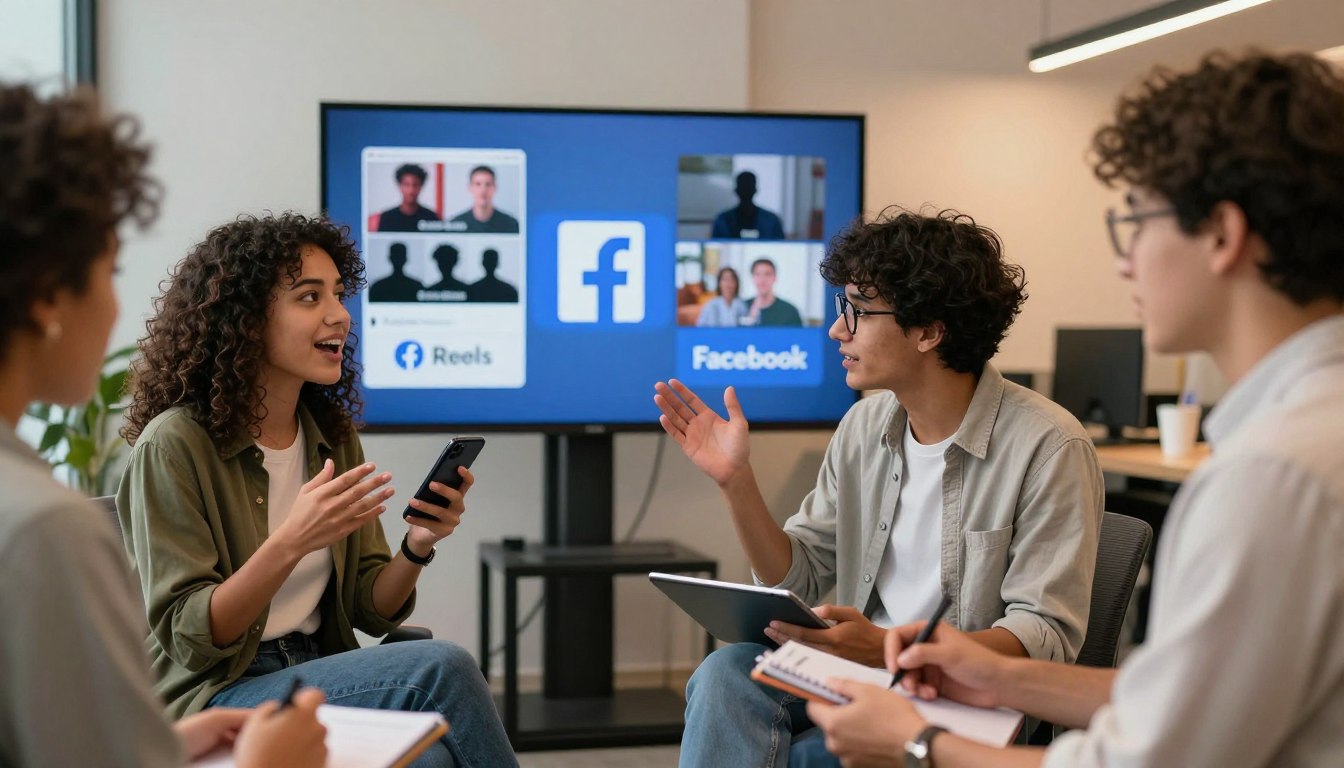
A modern, professional office space featuring a diverse group of three people engaging with a sleek digital display showcasing a vibrant, animated interface of Facebook Reels. In the foreground, a young woman in business attire points at the screen with a look of excitement, while a middle-aged man and a young man in smart casual clothing observe attentively, highlighting collaboration. The middle ground includes stylish office furniture and a large window revealing a city skyline under soft, natural lighting. In the background, colorful charts and graphs are visible on the wall, representing growth and engagement. The mood is energetic and forward-thinking, emphasizing innovation in social media features. Capture the scene from a slightly elevated angle to enhance depth and clarity, showcasing both the users and the dynamic digital content.

Where to spot access signals

Look for notifications in the feed, prompts in the Professional Dashboard, and profile-level notices. You can also request access via the platform website if you don’t see a prompt.

Enrollment and managing reels

Once enrolled, every original reel posted to Facebook is protected automatically by the system. Older eligible reels can be selected manually for protection so past videos get monitored too.

Device and posting rules

This tool is mobile-first with desktop Professional Dashboard testing underway. Reels must be posted to Facebook to be tracked, though Instagram posts that use “Share to Facebook” qualify.

Conclusion

The platform’s match-and-notify flow lets creators choose how matched videos are handled at a glance.

strong, clear options let original authors respond without only relying on manual reports. The tool gives three paths: block, track with attribution and performance insights, or release a claim so a clip stays visible.

Do this next: check your Professional Dashboard, confirm enrollment, and add an allow list for partners who repost with permission. These steps help protect future content while keeping collaboration simple.

Keep expectations realistic: reaction clips and compilations may not qualify for blocking. Overall, the company aims to reduce impersonation and spam and to elevate original media and videos in the feed.


FAQ

What did Meta announce and why does it matter for video creators and users?

Meta rolled out a mobile content protection tool aimed at stopping stolen videos and ripped-off reels. It matters because it gives creators a way to detect unauthorized reposts, protect monetization, and control distribution across Facebook and Instagram. For users, it aims to reduce impersonation, spam, and fake engagement in feeds.

How does the content protection system detect copied videos?

The system uses Rights Manager matching technology to compare new uploads against a creator’s registered assets. It analyzes visual and audio fingerprints to surface percentage matches and flags likely copies in the feed and dashboard.

What information appears in alerts when a match is found?

Alerts show the percentage match, estimated views, follower counts of the account posting the matched clip, and the monetization status of that account. This helps creators assess the severity and potential impact of a match quickly.

What happens when my video is matched in the feed and dashboard?

Matched content is surfaced with details and options. Creators can review the match in the dashboard, see performance insights, and decide whether to block, track, or release a claim. Matched items may also be labeled to indicate ownership.

How does the blocking option affect distribution across platforms?

Choosing to block prevents the matched video from appearing across both Facebook and Instagram. This removes the unauthorized copy from feeds and limits reach, helping protect original audiences and monetization.

What does the tracking option do and what insights does it provide?

Tracking leaves the matched video visible but collects performance metrics and provides attribution links back to the original. Creators get view counts and engagement data, which can inform decisions about takedowns or licensing.

When might a creator choose to release a claim instead of blocking?

Releasing a claim makes sense when the repost drives attribution or exposure, when the use is licensed or permitted, or when removing the copy would harm legitimate reach. The dashboard shows metrics to help weigh that choice.

What creator controls are available, like allow lists for authorized reposts?

Creators can set allow lists to permit trusted partners or publishers to repost without triggering claims. They can also manage registered assets, update ownership metadata, and adjust detection sensitivity in some cases.

How are disputes and false claims handled?

The system includes built-in reporting channels and dispute workflows. Creators can contest matches, submit evidence of permission or fair use, and request reviews. Meta applies safeguards to reduce abuse and false takedowns.

What important limitations should creators know about?

Common exceptions include reaction videos, remixes, and compilations that may not match reliably. Automatic detection can miss context-based fair use and may require manual review. Coverage is evolving, so not all cases are handled perfectly yet.

Who is eligible to access the tool?

Access is limited to creators who meet eligibility criteria such as participation in content monetization programs, meeting enhanced integrity and originality standards, or being active Rights Manager users. Eligibility signals appear in-app.

Where will creators see access signals and enrollment prompts?

Signals and prompts show up in the Feed, Professional Dashboard, and on creator profiles. Notifications will guide eligible creators through enrollment and setup steps.

How do creators enroll and protect past reels?

Enrollment is done through the mobile dashboard. Creators can register past reels manually so Rights Manager can start matching them. The rollout is mobile-first, with desktop testing planned later.

Does posting from Instagram affect eligibility or protection?

The rollout is Facebook-first, but cross-posting from Instagram can still qualify if the content meets eligibility rules. Creators should ensure ownership metadata and registration are consistent across accounts to maintain protection.

About vrialvideo.com

VrialVideo.com brings you the latest trending news, viral stories, entertainment updates, and blog articles. Stay updated with fresh viral content every day.

View all posts by vrialvideo.com →

Leave a Reply

Your email address will not be published. Required fields are marked *