Honey singh viral video: Latest Trending Video
“The public has a right to know, and the artist has to answer.” —Adapted from a public figure’s idea on accountability.
This breaking news story centers on a short concert clip from Delhi that spread quickly across feeds. The clip shows explicit on-stage language that drew cheers at the venue but sparked heavy online backlash once shared more widely.
The article explains what happened at the show, what the footage appears to show, and summarizes the artist’s Instagram apology. We base details on reporting from the live event and the performer’s own response.
Because the clip traveled fast and prompted strong reactions, this qualifies as timely news coverage. Expect a U.S.-focused lens on how such clips cross borders and invite scrutiny on social platforms.

Key Takeaways
- Fast spread of the clip made this a breaking news moment for global audiences.
- The concert clip included sexually explicit language that split opinion.
- The artist issued an Instagram apology that we summarize and analyze.
- Context, editing, and platform reach shape how audiences react.
- Coverage focuses on impact and responsibility for public figures.
What happened at the Delhi concert and why the clip spread fast
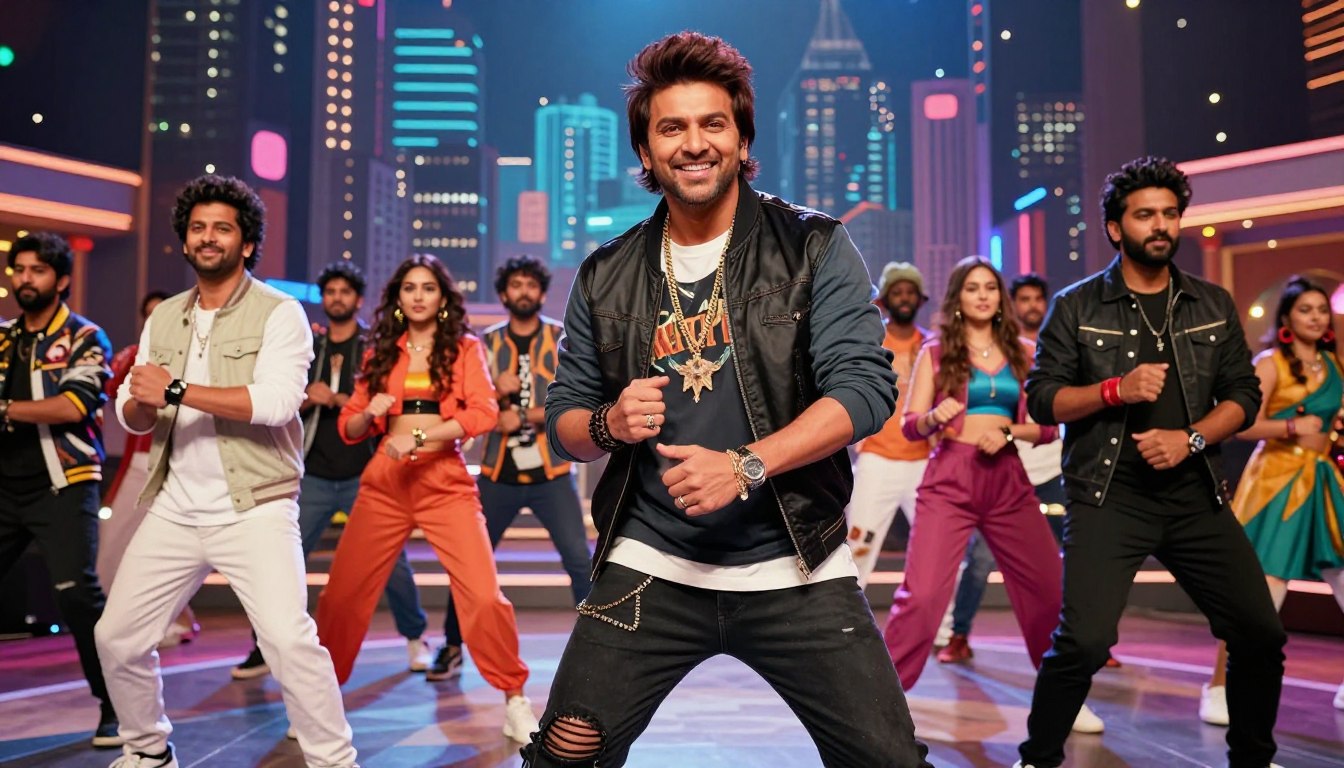
A short attendee recording captured a moment at a packed delhi concert where Nanku and Karun were headlining and Honey Singh joined as a guest.
The video clip shows the performer making sexually explicit remarks to the audience. People in the venue reportedly cheered and laughed, which contrasted sharply with later online reactions.
Where the recording came from
The footage originated as an audience-shot snippet from the live show and was reposted across social platforms.
The moment that sparked the controversy
The single line in the clip was widely viewed as inappropriate for a general crowd and fueled the emerging controversy. Short edits amplified the line and removed broader context.
From venue reaction to online backlash
In-room applause and laughter turned into online condemnation after accounts picked up the clip and reshared it. Rapid reposting and algorithmic boosts meant the content went viral within hours.
| Detail | Source | Immediate Reaction | Online Result |
|---|---|---|---|
| Setting | Nanku and Karun live concert | Cheers in venue | Widespread sharing |
| Origin | Attendee-recorded clip | Short footage captured | Reposted across platforms |
| Trigger | Sexually explicit remarks | Laughs at show | Criticism and debate |
Honey singh viral video: What we know from the viral clip and reports
Footage from the live show focused attention on a single line that later fueled debate across platforms. Reports say the clip shows the performer making sexually explicit remarks that some people found inappropriate and irresponsible.

What viewers say the clip shows and why it drew criticism
Observers described the clip as capturing explicit stage language directed at the crowd. Critics argued the message was unsuitable given younger fans at the show and the influence public figures carry.
Online reaction grew sharply after the video spread on social media. Tone reports indicate the response was mostly critical, with many calling the remark irresponsible.
How short edits can change meaning once content goes wide
Experts and commentators warned about “context collapse”: a moment that seems one way in a live setting can land very differently once isolated online.
- Trimming lead-in lines can remove intent.
- Isolating provocative seconds amplifies emotional reaction.
- Short edits often make a single remark the headline, driving controversy instead of nuance.
This pattern explains how the clip went viral and why debates escalated quickly. The performer later addressed both the backlash and claims that the circulating clip lacked full context; that response is covered in the next section.
Honey Singh responds with an Instagram apology video
The controversy prompted a direct response: a short apology video published to the artist’s official instagram post after the uproar gained traction online.
The apology had three clear points. He expressed regret for offending viewers. He accepted accountability and said his words carry weight as a public figure. He also acknowledged the delivery was a mistake.
In the statement the performer claimed the circulating clip had been edited and shared out of context. He said that claim while still recognizing why many people felt hurt by the line.

What he promised going forward
The going forward message committed to being more mindful about language, tone, and who he addresses. He said he would choose words with care on stage and off.
How the post spread and changed the story
The instagram post shared widely because fans and media accounts reposted the clip. Fast distribution on the platform and reposts helped people beyond the concert view post instagram and weigh the apology.
| Item | Claim | Effect |
|---|---|---|
| Timing | Posted after backlash | Reached wide audience quickly |
| Content | Regret, accountability, edited-clip claim | Some viewers reassessed context |
| Promise | Be careful with language going forward | Mitigated tone for some, not all |
The context Honey Singh gave for his remarks
“I spoke up because I was worried about young people’s health,” the performer said, describing the comment as unscripted and reactive to the crowd.
He said he attended Nanku and Karun’s Delhi show as a guest and did not plan a speech. In his account, the line came in the moment after he saw a largely Gen Z audience.
Conversations with health experts days earlier
He said that, days before the show, he met gynecologists and sexologists who warned about rising STDs tied to unprotected sex. That background is the context he cites for bringing up safer practices on stage.
Addressing a Gen Z crowd: intent to promote safe sex
The rapper and singer framed the message as a push for condom use and safer behavior aimed at a young gen audience. He said he used casual, streaming-style phrases to match how that group talks online.
Why the approach backfired
Critics said the OTT-style language felt explicit for a live show and crossed a line for some viewers. Intent and impact diverged: the same health-oriented message landed differently depending on tone, word choice, and setting.
“Context matters: a private discussion with doctors does not erase public impact,”
The episode shows how artists must calibrate their words for mixed audiences, especially when moments are clipped and shared online.
Public reaction and what it means for artists in the social media era
After the clip circulated, responses ranged from acceptance of the apology to renewed criticism of the onstage remark.
Mixed response online
Some people accepted the apology and praised the clarification. They saw the post as a fast, responsible reply that addressed concerns.
Other people stayed focused on the original remark. For them, intent mattered less than impact on fans and younger audience members.
Responsibility vs. intent
Social media and news cycles shape which parts of a moment stick. Platforms reward repetition, so controversy can dominate media coverage fast.
Intent may explain a line, but public impact often defines reputational fallout. Artists in music face extra scrutiny because concerts gather diverse crowds and younger fans.
- Outrage spreads quickly and can become a headline for the concert.
- Monetized attention and media reach mean even negative coverage can drive money and visibility.
- Practical takeaway: choose words carefully and know your audience to limit risk when a clip goes viral.
Conclusion
A brief onstage moment at the Delhi concert quickly became front-page news and a breaking news item after a short clip spread across feeds.
The central issue was clear: the remarks were viewed by many as explicit and inappropriate, even if the intent aimed at health messaging. The video excerpt narrowed a complex moment into a single line, which shaped public reaction.
The artist later issued an Instagram apology and a clarifying post. He expressed regret, accepted accountability, said some footage had been edited out of context, and promised to be more careful going forward. Expect further updates as reactions evolve and the story travels on social platforms.
In the larger view, the honey singh episode shows that the way something is said can matter as much as what was meant. For artists and audiences alike, a single offhand remark can reshape a concert and the conversation that follows.
FAQ
What happened at the Delhi concert and why did the clip spread so fast?
A short clip from a live show featuring a popular rapper and guest performers was widely shared after an onstage comment drew strong reactions. The venue’s immediate response—some applause and mixed reactions—paired with fast sharing on Instagram and other social platforms helped the clip reach a large audience within hours.
Where did the original clip come from?
The recording originated from a live set involving performers Nanku and Karun. Attendees and onlookers used phones to capture the moment, and an edited segment was posted on social media, which circulated rapidly across feeds and messaging platforms.
What exactly in the clip sparked controversy?
The controversy centered on a sexually explicit remark directed at the crowd. Viewers said the language and tone crossed a line, prompting complaints that the comment was inappropriate for a public concert and for mixed-age audiences.
How did people at the venue react compared to social media users?
Reactions at the venue were mixed—some audience members cheered while others showed discomfort. Online, responses ranged from criticism and calls for accountability to defenders who argued the context mattered and that the clip was edited.
What do reports and witnesses say the clip shows?
Witness accounts and media reports indicate the short edit captures the performer making a provocative statement. Some say the full context included attempts at humor or public-health framing, while critics maintained the wording was inappropriate regardless of intent.
How do short edits change public perception once a clip is shared?
Short edits can strip away context like lead-in remarks, pauses, or follow-up clarifications. That selective framing can amplify outrage, shape narratives quickly, and make measured responses harder once a clip has already gone viral across platforms.
How did the artist respond after the clip circulated?
The performer posted an apology on Instagram acknowledging regret, accepting responsibility, and promising to be more cautious about words and tone. The message also claimed the circulating footage had been edited and urged followers to consider full context.
What were the key points in the apology video?
The apology highlighted regret for any offense caused, an admission that public remarks carry weight, and a commitment to be mindful going forward. It also asked fans and critics to note that the shared clip did not include the whole exchange from the stage.
How widely did the apology post spread?
The Instagram post was shared broadly across social feeds, picked up by news outlets, and reposted by influencers. That helped the apology reach both supporters and critics beyond concert attendees.
What context did the artist provide for making the remark?
In follow-up comments, the performer said the remark stemmed from conversations with medical professionals about sexual health and STD prevention. He indicated the intent was to promote safe sex—specifically condom use—when addressing younger audiences.
Why did the attempt to discuss sexual health backfire?
Critics say the delivery relied on casual, over-the-top language that did not suit a live-event setting, especially with a mixed-age crowd. That tone, combined with an edited clip online, made the message feel insensitive rather than educational.
How did the public react overall and what does it mean for performers?
Public reaction was mixed: some accepted the apology and stressed intent, while others continued to criticize the choice of words. The episode underscores that public figures face intense scrutiny and must balance message, medium, and audience in the social media era.
Will there be long-term consequences for the performer?
Immediate fallout included heavy media attention and debates on social platforms. Longer-term effects depend on ongoing public response, any action by event organizers or sponsors, and how the artist follows up with behavior and messaging after the incident.