
Viral TikTok Clip Trending Worldwide Today
“Change is the only constant.” That idea from Heraclitus feels true for social formats that explode overnight.
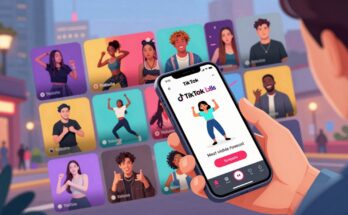
This quick explainer is written for U.S. readers who keep seeing the phrase tiktok viral clip trending worldwide today and want plain answers. Formats rise fast because sounds plus repeatable edits make re-creation easy.
What looks like one hit often is a copying pattern: remakes, stitches, duets, and template edits spread the same joke or beat. The discovery path is usually sound-first, and a single text overlay can frame the whole gag.

Expect high velocity: many recreations across countries and quick peaks. This piece previews what U.S. feeds are seeing, how typical videos are edited in February 2026, and why simple overlay plus audio choices boost watch time.
Key Takeaways
- “Viral clip” often means a repeatable format, not one unique video.
- Sounds drive discovery; edits make participation simple.
- High velocity and multi-country remakes define “worldwide.”
- Short text overlays + dramatic audio increase watch time.
- Understanding the format helps creators and brands join early.
What’s happening on TikTok right now in the United States
Feeds feel fast and audio-first. A single sound can inspire thousands of takes within hours, and that repeatability shapes what people scroll past or stop to watch.
Why a regional sound can spike across the app
One region reuses an audio that contains a beat drop or a clear reaction moment. Creators elsewhere copy that sound and add local context. Platform discovery then pushes related posts across interest clusters, scaling a trend tiktok format in hours.
What viewers are seeing most
U.S. feeds now favor short montages and punchline setups. Readable text overlay tells the story even with mute on, while quick cuts raise completion rates.
How creators and brands join the pattern
Creators adapt global templates to local humor and errands without changing the core edit. The best brands match the trend’s rhythm and avoid heavy sales copy.
| Feature | Why it works | Typical length |
|---|---|---|
| Audio-led edit | Built-in beats make copying easy | 10–20 sec |
| Text overlay | Readable storytelling on mute | 2–4 lines |
| Short montage | Packs mini-moments for rewatch value | 3–6 clips |
tiktok viral clip trending worldwide today
A single format can act like a template—recognizable across hundreds of different takes.

What counts as “the clip” when a format spreads faster than a single video
“The clip” is a pattern, not always one post. It shares the same sound, pacing, and a readable caption style. Yet each person who copies it adds their own twist.
Common ingredients: sound + footage contrast + one clear line of on-screen text
Top formats pair a standout sound with calm or mundane footage to create comic or intense contrast.
The final touch is one crisp line of text that sets the premise. Good text is short, timed to the beat, and instantly clear.
How creators use the same trend template to tell totally different stories
Creators use the same structure for friend chaos, work moments, relationship humor, or errands. The edit stays identical while the story changes.
That swap of context is what turns simple life scenes into staged reality and quick drama. Spot repeated audio and caption layouts across accounts — you’re seeing a trend, not a single source.
February 2026 TikTok trends powering shareable viral clips
In February 2026, creators leaned on repeatable templates to make fast, social-ready moments. This month acted like a “format month”: the easiest templates got the most shares. Simple setups let people join quickly and keep production light.
‘Thermostat game’ is a friends game where one person mimes a temperature and others guess. The fun comes from wild guesses and overconfident acting. Editors stitch short takes, keep bloopers, and layer comedic music beats to sell each reaction.

‘What year were you born’ uses green-screen edits to drop coworkers into historic scenes as a punchline. Creators add a dramatic music overlay and tight cuts so the joke lands fast. It’s light teasing that sparks comments like “what year are you?”
‘Reality TV is reality’ puts dramatic reality audio over mundane footage — grocery aisles, quiet breakfasts, or errands. The contrast makes ordinary moments feel scandalous and shareable.
Editing tips that make these trends travel:
- Keep videos short and varied in angles.
- Leave small bloopers; they humanize the footage.
- Use a music or audio turn to signal the punchline.
These formats work well in the U.S. because they involve groups, office pals, and easy settings. That low-friction setup lets more people recreate a trend fast.
How creators use text overlay, sound, and “reality TV” audio to boost watch time
Creators win attention when they match dramatic reality audio with ordinary home footage.
Watch-time basics: Hook fast, pace tightly, and give viewers a clear next beat to wait for. Short videos that promise a payoff at the audio turn keep people watching.
The “Reality TV Show” format
Pick a dramatic reality-style audio and stack short, everyday clips across days or people. The audio hints at a story, while calm footage makes the reveal feel bigger.
Text overlay best practices
Use one idea per screen and high-contrast text. Place overlay so it does not cover faces and time each line to the beat.
Footage that performs
Good footage includes friends at home, quick before-and-after moments, chaotic cutaways, and day-in-the-life shots. Mix calm scenes with one unhinged beat for maximum effect.
Why contrast and minimalism work
Calm visuals plus scandalous sound creates instant curiosity. Let the audio do the heavy lifting; add text only when it sharpens the joke or clarifies the payoff.
“Keep it real, keep it short, and let the sound tell the story.”
- Brand tip: Show a problem, then a subtle with/without shift without breaking the format.
- Production advantage: build these videos from existing phone footage for fast, repeatable posts.
December 2025 TikTok and late-2025 trends that set the stage for 2026
Late 2025 trained feeds to reward fast formats and clear audio moments. Small ideas—a lyric cue, a confession line, a remixed classic—became templates that creators reused and reshaped.
December 2025: “Say your stupid line” and self-callout humor
“Say your stupid line” used the Tame Impala lyric to set up a lip-sync and instant self-roast. The blueprint was simple: a recognizable lyric, a snap cut, then a relatable excuse. That pattern made december 2025 tiktok posts repeatable and shareable.
Holiday audio moments and remixes
“Nutcracker Bass Boosted” proved remix power: classic music plus modern bass turns seasonal material into punchy short videos. The hybrid sound refreshed holiday edits and pushed creators to remix familiar audio into new formats.
November and September threads that mattered
November 2025’s “Group 7” pushed identity-driven participation. People claimed status, spawned duets, and boosted comments—showing how inside jokes scale.
September 2025’s confession trend—“Unfortunately, I do love…”—made text-first storytelling a staple. Short, honest overlays turned small habits into community bonding moments.
- Late-2025 trends taught creators to favor short videos, clear text, and bold sound choices.
- July and August 2025 reinforced the pattern: simple prompts anyone can copy.
“The more a trend lets people reveal personality fast, the more likely it spreads.”
Why this trend is going viral worldwide today
Small, repeatable edits now spread because they map onto everyday routines people already film.
Relatability at scale
Daily life moments—errands, work slips, friends goofing off—translate across cultures. Viewers see their own goals, habits, or drama in a 10–20 second beat and react with “that’s me.” That instant recognition makes trends easy to share and join.
Low-friction participation
A creator can reuse one audio, add 6–10 short clips, and place minimal text. This structure keeps production light and speeds posting. Brands and creators use this way to test ideas without heavy budgets.
Sound-first discovery
Trending audio acts like a search tag. When a sound catches, viewers binge related videos and creators copy the format. That loop turns one video into a repeatable trend tiktok format and fuels app-wide spread.
| Driver | How it helps spread | Action for creators/brands |
|---|---|---|
| Relatability | Universal scenes invite empathy | Pick everyday moments tied to goals or habits |
| Low friction | Easy templates lower production time | Reuse montage + minimal text + same audio |
| Sound-first | Audio bundles discovery and remixing | Test audio on the app and on Reels for scale |
Reality check: not every format fits every niche—choose trends that match your filming access and audience.
Conclusion
Formats that are easy to copy become the repeatable language of short-form feeds. The main takeaway: a single hit usually becomes a format powered by sound, simple edits, and repeatable storytelling—not just one isolated post.
U.S. viewers now see audio-led montages, readable text overlay, and high-contrast reality-style footage. February 2026 pushed games, green-screen punchlines, and dramatic audio edits that invite fast remakes.
Example: the “She’s Free” trend — two lines of friends, phone flashlights, a runway walk down the middle, and one clear line of text explaining the joke. It shows how one structure and one line can be remade endlessly.
Quick checklist: pick a trending sound, keep the video short, use one clean on-screen idea, and cut tightly to the music beat. Stay authentic; let audio and structure carry the story so it reads like a show, not an ad.
If this moment fades, the format logic won’t — watch the sounds and edits, and you’ll spot the next trend early.
FAQ
What defines a viral TikTok clip and how does a format become bigger than one video?
A clip becomes “viral” when a clear format—specific audio, a visual cut, or a line of on-screen text—gets copied and reshaped by many creators. Instead of one standout upload, the format spreads because it’s easy to recreate, fits different footage, and taps a shared emotion or joke. Repetition across creators, plus algorithmic boosts from high watch time and shares, turns a single idea into an ecosystem of similar posts.
Why do some trends spike worldwide in just a few hours?
Trends spike fast when the format is low-friction, sound-led, and emotionally immediate. A catchy audio clip or a bold text overlay gives creators a simple template to plug their footage into. When early adopters get big reach and viewers rewatch the same audio, the app’s recommendation system amplifies it across regions and time zones.
What editing choices help a short montage get more shares?
Montage pacing, quick punchy cuts, well-timed music beats, and a clear narrative line help retain viewers. Bloopers and a surprise middle beat can lift watch time. Keeping each screen’s text concise and synced to the music makes the clip easier to follow and more likely to be rewatched and remixed.
How do creators use text overlay to boost engagement?
Best practice is one idea per screen, large readable type, and placement that avoids faces. Time the text to the beat or to a reveal, and use contrast so it reads on any footage. Good overlays guide the viewer through a setup-punchline arc without needing sound, which helps captions and rewatch value.
Which types of footage perform best in these formats?
Footage that feels immediate and relatable—friends hanging out, daily routines, before-and-after moments, and chaotic cutaways—tends to perform well. Authenticity matters: small imperfections and candid reactions often increase engagement and shares more than polished production.
What role does audio play in turning a post into a repeatable trend?
Audio acts as the template’s glue. A recognizable hook or dramatic line makes creators latch on and reuse the sound. Trending audio drives discovery: users who like the sound will find dozens of variations, which fuels remixing and keeps the format alive.
How did late‑2025 trends set up formats for February 2026?
Late‑2025 formats like self-callout humor and identity-driven memes refined simple storytelling beats—short setup, a recognizable audio cue, and a punchline—so creators could adapt them. Holiday audio experiments and confession-style edits also honed timing and overlay techniques that carried into early‑2026 trends.
What are some standout February 2026 formats creators used to get views?
Popular formats included the “thermostat game” with friends and comedic music, green-screen age reveals like “what year were you born,” and reality-TV audio layered over mundane scenes. Each format leaned on tight editing and a strong audio hook to encourage remakes.
When should creators keep their edits minimal?
Keep it minimal when the audio or visual gag is strong enough to carry the joke. Minimal edits work if the sound provides the emotional lift; that lets the viewer focus on the reaction or reveal, raising watch time without distracting overlays.
How can brands use these short formats without seeming inauthentic?
Brands should adopt the format’s tone and scale down production value so posts feel native. Focus on relatable moments tied to the brand’s values, use the trending audio where appropriate, and prioritize short, human-led footage over polished ads to fit community expectations.
What metrics should creators track to know a format is working?
Watch time, completion rate, and shares matter most. High rewatch rates signal that the audio or reveal is compelling. Also monitor saves and comment themes to see if viewers want more variations or specific follow-ups.
How do creators balance originality with copying a trend template?
Use the same audio or text structure but swap the footage, punchline, or perspective. Fresh casting, unexpected edits, or a new narrative twist keeps the format recognizable while making your version stand out.
Are there risks to hopping on every fast-moving format?
Yes. Chasing every trend can dilute your channel’s identity and annoy your existing audience. Choose formats that match your voice and content pillars, and only adapt trends that let you show something authentic about your life or point of view.
What practical tips help creators start a new format that others will copy?
Launch with a clear, repeatable template: a short hook, one on-screen line, and an unmistakable audio cue. Make the reveal simple to recreate and show at least one example of how to remix it. Clear captions and labeled prompts help other creators participate fast.