
Viral Video: The Complete Guide to Creating and Understanding Virality
In a world where attention is the ultimate currency, viral videos represent the jackpot of digital content. From a baby biting his brother’s finger to a rainbow that moved a grown man to tears, these cultural moments spread across the internet like wildfire, amassing millions of views in days or even hours. But what exactly makes a video “go viral,” and is there a science behind the seemingly random nature of internet fame?
Whether you’re a content creator looking to understand the mechanics of virality or simply curious about this fascinating digital phenomenon, this guide will take you through the anatomy of viral videos, the platforms that propel them, and the delicate balance between strategic planning and pure luck that often determines which content breaks through the noise.
What Is a Viral Video? Understanding the Phenomenon

The typical exponential growth pattern of a viral video as it spreads across platforms
A viral video is content that achieves rapid, widespread popularity through internet sharing. Unlike traditional media, which relies on centralized distribution, viral videos spread through decentralized networks of users who share content with their social circles, creating a snowball effect of visibility.
The term “viral” itself comes from the way these videos spread—similar to a virus—from person to person through social connections. While there’s no official threshold that defines “viral status,” industry experts often suggest that a video needs at least 5-10 million views in a short timeframe (typically 3-7 days) to truly be considered viral in today’s saturated media landscape.
The Evolution of Viral Videos
Viral videos aren’t new to the internet era. Before YouTube’s 2005 launch, early viral hits circulated through email chains and message boards. Videos like “The Dancing Baby” (1996) and “The Spirit of Christmas” (which later inspired South Park) spread through dial-up connections and physical media.
What’s changed is the speed and scale of virality. What once took months to reach a million views can now achieve that milestone in hours. The democratization of content creation tools and distribution platforms has also transformed who can create viral content—anyone with a smartphone and internet connection now has the potential to reach a global audience.
The Anatomy of a Viral Video: Key Elements That Drive Sharing
While no formula guarantees virality, research and pattern analysis reveal common elements that many viral videos share. Understanding these components can help creators increase their chances of widespread engagement.
Emotional Triggers
The most successful viral videos evoke strong emotional responses. Research from the University of Pennsylvania found that content triggering high-arousal emotions—both positive (awe, excitement, amusement) and negative (anger, anxiety)—is more likely to be shared than content that evokes low-arousal emotions like sadness.
This explains why videos featuring surprising reveals, contagious laughter, or heartwarming moments often gain traction. The “Double Rainbow” video, which featured creator Paul Vasquez’s overwhelmed, awe-filled reaction to seeing a double rainbow, is a perfect example of genuine emotional expression that resonated with millions.

The Hook: First Impressions Matter
In the age of endless scrolling, the first 3-5 seconds of a video are crucial. Successful viral videos typically feature a strong “hook”—an intriguing opening that captures attention immediately and prevents viewers from scrolling past.
This could be a surprising statement, an unusual visual, or a question that sparks curiosity. The “Charlie Bit My Finger” video immediately shows a child’s finger in his baby brother’s mouth, instantly creating interest in what happens next.
Relatability and Universal Appeal
Content that resonates across demographic boundaries has greater viral potential. Videos that tap into shared human experiences—parenting challenges, workplace frustrations, or universal social awkwardness—allow diverse audiences to see themselves in the content.
This relatability factor explains why videos like “David After Dentist,” showing a disoriented child after dental surgery asking “Is this real life?”, connected with viewers of all ages—the confusion and innocence displayed is something many can relate to from their own experiences.
Analyze Your Content’s Viral Potential
Want to evaluate if your video has what it takes to go viral? Download our free Viral Video Elements Checklist to identify the key components that could help your content spread.Download Free Checklist
Length and Pacing
Viral videos tend to be concise. While there are exceptions, most successful viral content runs between 30 seconds and 3 minutes. This brevity respects viewers’ limited attention spans while delivering a complete, satisfying experience.
Within this timeframe, pacing is critical. Viral videos typically maintain momentum throughout, with no “dead air” or slow sections that might cause viewers to lose interest before reaching the payoff.
Shareability Factors
For content to go viral, it must be not just viewable but shareable. Several factors influence shareability:Social currency – Content that makes the sharer look good, informed, or entertaining to their networkPractical value – Videos that teach something useful or provide actionable informationConversation starter – Content that naturally prompts discussion or debateUniqueness – Something viewers haven’t seen before or a fresh take on familiar contentTimeliness – Connection to current events, trends, or cultural moments
The Platforms and Algorithms: How Videos Spread
Different platforms have distinct mechanisms for promoting and distributing content, each with its own algorithm quirks and audience expectations. Understanding these differences is crucial for optimizing viral potential.

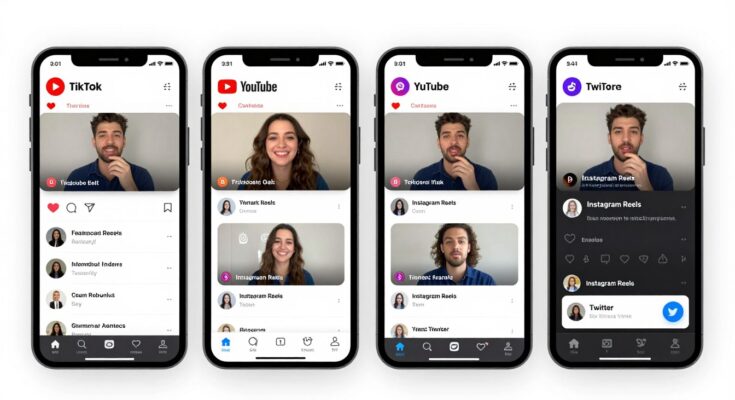
How viral videos appear and spread across different social media platforms
TikTok: The Viral Machine
TikTok has emerged as perhaps the most powerful platform for creating viral moments, with its algorithm designed specifically to surface new content regardless of creator size or following.
“TikTok’s short-form video format and algorithmic distribution systems facilitate rapid imitation, remixing, and dissemination of audiovisual content, accelerating the viral spread of trends, sounds, and performances.”
— Research from digital humanities scholars, 2023
Key TikTok viral factors include:Sound-driven content – Videos using trending audio have higher visibilityVertical format optimization – Full-screen content that maximizes screen real estateWatch time and completion rate – Videos watched in full are promoted more heavilyEarly engagement velocity – Initial likes, comments, and shares determine wider distributionHashtag strategy – Mix of trending and niche tags to maximize discovery
YouTube: The Long-Term Viral Home
While TikTok excels at creating instant viral moments, YouTube remains the platform where viral videos find their permanent home and continue accumulating views for years.
YouTube’s algorithm prioritizes:Watch time – Total minutes viewed across all viewersAudience retention – How much of the video viewers typically watchClick-through rate – How often viewers click when shown your thumbnailSession time – How long viewers stay on YouTube after watching your videoEngagement signals – Likes, comments, shares, and subscriptions after viewing
YouTube’s “Trending” tab, introduced in 2015, uses an algorithm based on views, comments, “external references” (mentions on other platforms), and viewer location to surface potentially viral content.
Instagram Reels and Facebook
Meta’s platforms have evolved to compete with TikTok’s short-form dominance. Instagram Reels now serves as a significant viral vector, especially for visually striking or aesthetically pleasing content.
Success factors include:Visual quality – Higher production value than typically expected on TikTokCross-platform optimization – Content that works across Instagram’s ecosystem (Stories, Feed, Reels)Hashtag strategy – More important than on TikTok for discoveryEarly engagement – Initial interaction rate determines wider distribution
Twitter/X: The Amplification Engine
While not primarily a video platform, Twitter serves as a crucial amplification mechanism for content that originates elsewhere. Journalists, influencers, and trend-spotters often discover viral content on Twitter before it reaches mainstream awareness.
For Twitter virality:Concise framing – How the video is contextualized in the tweet textTiming – Posting when target audience is most activeNetwork effects – Initial shares from high-follower accountsConversation potential – Content that naturally generates replies and quote tweets
The “Secret Sauce”: Luck vs. Strategy in Viral Success

The delicate balance between luck and strategy in viral video success
Perhaps the most debated aspect of viral videos is whether their success stems primarily from strategic planning or simply being in the right place at the right time. The truth, as with most complex phenomena, lies somewhere in between.
The Role of Randomness
Many of history’s most iconic viral videos were never intended to reach massive audiences. “Charlie Bit My Finger” was filmed by a father simply documenting a moment between his sons. “David After Dentist” captured a child’s post-anesthesia confusion without any promotional intent.
These accidental viral hits highlight the undeniable role of luck in virality. Timing, cultural context, and the unpredictable nature of human attention all contribute to why some videos explode while similar content goes unnoticed.
“You can’t predict what will go viral. What you can do is create content that has the ingredients that make it more likely to be shared.”
— Jonah Berger, Marketing Professor and author of “Contagious: Why Things Catch On”
Strategic Elements That Increase Viral Potential
While luck plays a role, strategic planning can significantly increase the odds of viral success. Professional content creators and marketers employ several approaches:
Trend Participation
Creating content that participates in existing viral trends provides an immediate connection to audiences already engaged with similar material. Platforms like TikTok make trend participation explicit through challenges, sounds, and hashtags.
Audience Research
Understanding the specific interests, pain points, and humor of target communities allows creators to craft content that resonates more deeply. This targeted approach may reach smaller initial audiences but often generates stronger engagement.
Distribution Strategy
Strategic seeding of content across platforms, timed posting to maximize audience availability, and leveraging existing networks all contribute to early momentum. Many seemingly “overnight” viral successes actually result from careful distribution planning.
Optimization for Algorithms
Understanding and adapting to platform-specific algorithm preferences—from video length to engagement patterns—can dramatically increase visibility. This includes technical considerations like aspect ratio, caption optimization, and thumbnail selection.
The Hybrid Approach
Most successful content creators adopt a hybrid approach that acknowledges both the strategic and random elements of virality. This typically involves:Volume with variation – Creating consistent content with enough variation to increase chances of hitting on something that resonatesRapid adaptation – Monitoring early performance signals and quickly adjusting strategy based on what’s workingBuilding on momentum – When content shows early viral potential, investing additional resources in promotion and cross-platform distributionLearning from analytics – Using performance data from previous content to refine future approaches
Key Insight: The most successful viral content creators don’t aim for a single viral hit but build systems that increase their chances of creating multiple viral moments over time.
Case Studies: Deconstructing Viral Success
Examining specific viral videos can reveal practical insights into the elements that contribute to extraordinary sharing and viewership.
Case Study 1: “Charlie Bit My Finger” (2007)

The Video: A 56-second clip showing a baby (Charlie) biting his older brother Harry’s finger, followed by Harry’s memorable reaction: “Charlie bit me… and that really hurt!”
The Numbers: Over 885 million views on YouTube before being sold as an NFT and removed from the platform in 2021.
Why It Worked:Authenticity – Genuine, unscripted moment between siblingsUniversal appeal – Sibling dynamics recognizable across culturesBrevity – Short enough to watch multiple timesMemorable quote – “Charlie bit me” became a catchphraseEmotional trigger – Combination of humor and mild surprise
Case Study 2: “Gangnam Style” (2012)
The Video: South Korean artist PSY’s music video featuring an infectious beat and distinctive horse-riding dance move set against satirical visuals of Seoul’s Gangnam district.
The Numbers: First YouTube video to reach 1 billion views; currently over 4.6 billion views.
Why It Worked:Distinctive visual hook – The horse-riding dance was easily recognizable and imitableCross-cultural appeal – Catchy music transcended language barriersParticipatory element – Inspired countless parodies and dance attemptsTiming – Released when K-pop was beginning to gain global attentionProduction quality – Professional yet quirky visuals stood out from amateur content

Lessons from Failed Viral Attempts
For every viral success, countless videos with similar elements fail to gain traction. Common patterns in unsuccessful attempts include:Forced authenticity – Audiences quickly detect and reject inauthentic attempts to manufacture viral momentsLate trend adoption – Joining trends after they’ve peaked often results in content being perceived as derivativeOverproduction – Too much polish can sometimes diminish the raw quality that makes many viral videos relatableUnclear hook – Videos that take too long to get to the point often lose viewers before the main contentMisaligned platform strategy – Content optimized for one platform often performs poorly when simply reposted to others without adaptation
The Aftermath of Virality: Impact on Creators

The transformation of a creator’s life before and after viral success
Going viral is often portrayed as the ultimate goal for content creators, but the reality of sudden internet fame is complex and not always positive. Understanding the potential aftermath can help creators prepare for various outcomes.
The Positive Impacts
Career opportunities – Many creators have leveraged viral moments into sustainable careers, book deals, TV appearances, or business venturesAudience growth – A viral video can rapidly expand a creator’s audience, providing a foundation for future contentMonetization – Through platform revenue sharing, sponsorships, merchandise, and other opportunitiesCreative validation – Recognition can provide confidence and motivation to continue creating
Success stories include creators like Zach King, whose viral “magic vines” led to a multi-million dollar content business, and Sarah Cooper, whose lip-sync videos of political figures helped launch her comedy career.
The Challenges of Sudden Fame
The darker side of virality includes several potential challenges:Privacy concerns – Sudden exposure can lead to doxxing, unwanted attention, and privacy invasionsMental health impacts – The pressure to replicate success and handle criticism can be overwhelmingOne-hit wonder syndrome – Many viral creators struggle to maintain relevance beyond their initial hitNegative attention – Viral fame often attracts trolls, critics, and sometimes even harassment campaignsExploitation – Without proper management, viral creators may be taken advantage of by businesses seeking to capitalize on their moment
“Going viral isn’t the end goal—it’s the beginning of a much more complex journey that requires preparation, support systems, and clear boundaries.”
— Emma Chamberlain, Content Creator
Navigating Post-Viral Life
Creators who successfully navigate viral fame typically employ several strategies:
Diversification
Rather than trying to recreate their viral hit, successful creators diversify their content while maintaining the core elements that resonated with audiences.
Community Building
Converting viral viewers into a sustainable community requires engagement, consistency, and value delivery beyond the initial viral content.
Professional Support
As opportunities increase, many creators benefit from management, legal advice, and mental health support to navigate new challenges.
Strategic Planning
Having a clear plan for leveraging viral momentum—whether through merchandise, additional content, or business ventures—can help capitalize on temporary attention.
A Guide for Creators: Practical Approaches to Viral Content
While virality can never be guaranteed, creators can take practical steps to increase their chances of creating shareable content that resonates with audiences.

A well-equipped creator workspace designed for viral content production
Focus on Authenticity
Across platforms and content types, authenticity consistently emerges as a critical factor in viral success. Audiences have become increasingly sophisticated at detecting manufactured moments versus genuine expression.Leverage your unique perspective – What experiences, knowledge, or viewpoints do you have that others don’t?Show personality – Distinctive voices stand out in crowded feedsDocument don’t create – Often, simply documenting interesting moments produces more authentic content than heavily scripted approachesEmbrace imperfection – Polished content can sometimes feel less relatable than content with minor flaws
Platform-Specific Optimization
Each platform has unique technical requirements and audience expectations. Successful creators optimize for these differences rather than using a one-size-fits-all approach.
| Platform | Optimal Length | Aspect Ratio | Key Technical Considerations |
| TikTok | 15-60 seconds | 9:16 (vertical) | Sound-on experience, trending audio important, front-loaded hook |
| YouTube | 7-15 minutes (main), 30-60 seconds (Shorts) | 16:9 (main), 9:16 (Shorts) | Thumbnail crucial, first 15 seconds determine retention, SEO-optimized titles |
| Instagram Reels | 15-30 seconds | 9:16 (vertical) | Visual quality important, hashtag strategy crucial, cross-posting features |
| Twitter/X | Under 2 minutes | 16:9 or 1:1 | Auto-play in feed, captions important, conversation-starting potential |
Engage with Your Community
Viral success often begins with a core community that helps propel content to wider audiences. Building and nurturing this community increases the baseline sharing potential of all your content.Respond to comments – Engagement begets more engagementIncorporate feedback – Let audience input shape future contentCreate conversation starters – Content that naturally prompts responses has higher engagement potentialCollaborate – Partnerships with other creators can expose your content to new audiences
Analyze and Iterate
Data-driven approaches help refine content strategy over time. Rather than viewing each piece of content in isolation, successful creators see their work as an ongoing experiment.Track performance metrics – Beyond views, examine retention, shares, and comment sentimentIdentify patterns – What elements of your most successful content could be replicated?A/B test – Try variations in format, style, or delivery to see what resonatesLearn from competitors – Study successful content in your niche without directly copying
Remember: Sustainable content creation isn’t about chasing viral hits. Focus on building a consistent body of work that occasionally breaks through to wider audiences rather than pursuing virality at the expense of creator wellbeing or content quality.
Conclusion: The Ever-Evolving Landscape of Viral Video
The phenomenon of viral videos continues to evolve alongside changes in technology, platform algorithms, and cultural contexts. What defined viral success a decade ago differs significantly from today’s landscape, and tomorrow’s viral hits will likely follow new patterns we can’t yet predict.

The evolution of viral video formats across platforms and time
Despite these changes, certain fundamentals remain constant. Content that evokes emotion, creates connection, offers value, or provides a new perspective will always have viral potential. The platforms and formats may change, but human psychology—what makes us want to share something with others—remains remarkably consistent.
For creators, the pursuit of viral success should be balanced with sustainable practices. While a viral hit can accelerate growth, building a loyal audience through consistent, authentic content creation provides more reliable long-term success than chasing viral moments.
Whether you’re a casual viewer fascinated by internet culture or a creator looking to understand the mechanics of online attention, the study of viral videos offers valuable insights into digital communication, human psychology, and the increasingly blurred line between mainstream and social media.
Stay Updated on Viral Trends and Creator Strategies
The world of viral content evolves rapidly. Subscribe to our newsletter for regular updates on platform changes, emerging trends, and case studies of recent viral successes.Subscribe to Newsletter
Frequently Asked Questions About Viral Videos
How many views does a video need to be considered “viral”?
There’s no official threshold that defines viral status. Industry experts often suggest that in today’s media landscape, a video needs at least 5-10 million views in a short timeframe (typically 3-7 days) to truly be considered viral. However, this standard continues to rise as internet usage increases. In niche communities, a video might be considered viral with fewer views if it reaches a significant percentage of the target audience.
Can you predict if a video will go viral?
While no one can guarantee virality, data analysis can help estimate viral potential. YouTube reportedly uses an algorithm called “reference rank” that can assess viral probability based on early engagement patterns from as few as 10,000 views. Various factors including early sharing velocity, comment engagement, and viewer retention can indicate whether a video has viral potential, but even the most sophisticated prediction models acknowledge the significant role of unpredictable factors and timing.
How can creators monetize viral videos?
Several monetization avenues exist for viral videos:
- Platform revenue sharing – Programs like the YouTube Partner Program share advertising revenue
- Licensing – Media outlets may pay to use viral footage
- Sponsorships and brand deals – Companies may approach viral creators for partnerships
- Merchandise – Products based on viral moments (like “David After Dentist” t-shirts)
- Digital products – Some creators have sold viral content as NFTs
- Appearance fees – TV shows and events may invite viral personalities
The most successful creators typically diversify across multiple revenue streams rather than relying on a single source.
Are viral videos always beneficial for the people in them?
No. While some people have leveraged viral fame into positive opportunities, others have experienced significant downsides. The “Star Wars Kid” (Ghyslain Raza), whose private lightsaber practice video was shared without consent in 2003, faced severe bullying and psychological distress. Other viral subjects have dealt with privacy invasions, unwanted attention, and difficulty returning to normal life. The impact largely depends on whether the person chose to share the content, the nature of the video, and how prepared they were for sudden attention.
What’s the difference between a viral video and a meme?
While related concepts, viral videos and memes differ in key ways:
- Viral videos are specific pieces of content that spread rapidly through sharing
- Memes are cultural ideas, behaviors, or styles that spread through imitation and remixing
A viral video can become a meme when people begin creating variations, parodies, or references to it. For example, “Dramatic Chipmunk” was initially just a viral video, but became a meme when people began adding different music, creating reaction GIFs, and referencing it in other contexts. Not all viral videos become memes, and not all memes originate from viral videos.